Guides
Alps vs. Dolomites: Which European Cycling Trip Fits Your Legs and Your Calendar
October 15, 2026
5 min read
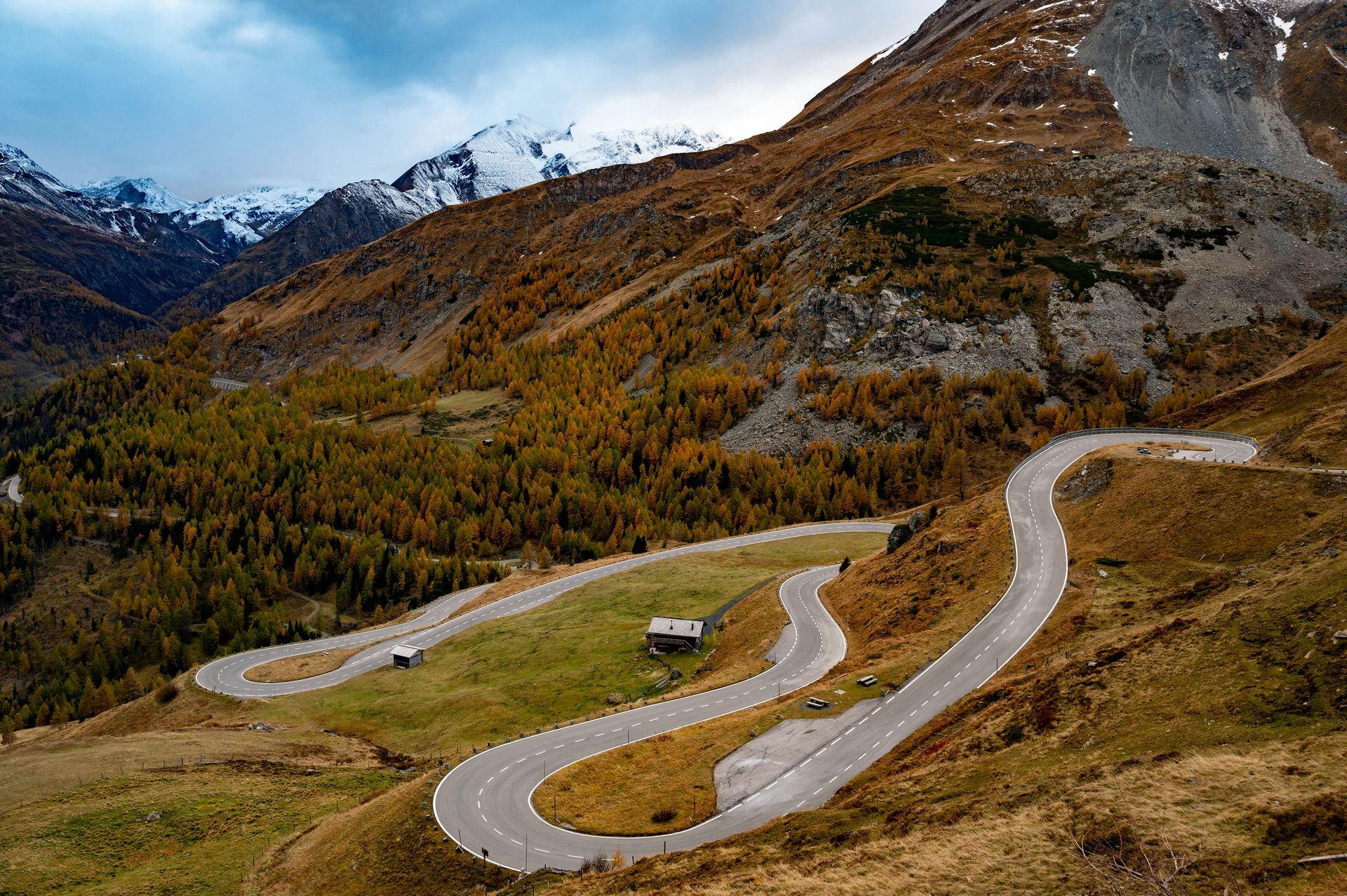
Alps vs. Dolomites: Which European Cycling Trip Fits Your Legs and Your Calendar
Two mountain ranges, one week of leave, and a decision that shapes everything else: hire the bike, book the flights, and choose where you will spend your best riding days of the year. The Alps and the Dolomites both promise the kind of roads cyclists talk about for years - and they ask for very different things in return.
This is not a question of which is better. It is a question of which is better for you, this season, with the fitness and the calendar you actually have. Here is the honest comparison.
Terrain and difficulty: long grinding passes versus short, sharp walls
The Alps are built on distance. A signature pass in Switzerland or France often runs 15 to 30 kilometres of continuous climbing, gaining 1,000 to 1,600 metres at a steady five to eight percent. The gradient rarely hurts in the first hour; it hurts in the third. Riders describe Alpine days as rhythm rides - settle into a tempo, hold it, and let the mountain come to you. Altitude is a genuine factor too, with many passes sitting between 1,800 and 2,500 metres.
The Dolomites are built on steepness. The passes are typically shorter - often six to twelve kilometres - but they arrive faster and steeper, with ramps that touch double digits and hairpins stacked close together. The rock itself is part of the experience: pale limestone towers, the Sella massif, and a road network that feels threaded through the landscape rather than laid across it. Days here tend to be punchier and more technical, with more time spent at threshold and less spent in a steady groove.
For most riders the honest translation is this: the Alps reward endurance and pacing discipline, the Dolomites reward power and comfort at high intensity. If your training has been long steady rides, you will feel at home in the Alps. If it has been shorter, sharper efforts, the Dolomites will suit you. If you are unsure, a well-designed week in either range can be shaped around what you can actually do - and that is a conversation worth having before you commit.
Season and conditions: when each range is at its best
Both ranges share a broadly similar window, but the details matter more than the headline.
Alps: the high passes generally open from mid-June and hold through mid-September. Late June still carries the risk of snowmelt closures on the highest cols, and the first serious snowfall can shut them in October. July and August are reliable but busiest. Early September is the connoisseur's choice: warm tarmac, quieter roads, and clear air after the summer crowds have gone.
Dolomites: the season runs a touch later and often feels best from late June through early October. The passes are lower and more sheltered than their Alpine cousins, so they clear earlier in spring and stay open longer in autumn. July and August bring the heaviest visitor traffic, which you will notice on the main passes even on a bike.
Weather patterns differ as well. Afternoon thunderstorms are a real feature of Alpine summers, which is why so many good rides start early and finish before the clouds build. The Dolomites see similar storm patterns but with quicker-moving, sharper cells - another reason to be on the road by seven rather than eleven.
Which region suits which rider
Choose the Alps if you want long, steady climbing, high-altitude drama, and the satisfaction of a three-hour ascent you can measure against the clock. You will enjoy a range that stretches across Switzerland, France, and Italy, with the option to link valleys and passes into genuinely big days.
Choose the Dolomites if you want intensity, technical descent work, and scenery that changes character every twenty minutes. Short, steep climbs let you ride several passes in a single morning, which makes for a rich, varied week even if your total distance stays modest.
Either suits you if you are riding with a group of mixed ability. This is where the format of your trip matters more than the region.
How a fully supported guided journey changes the choice
The comparison above assumes you are doing all of it yourself - route research, bike logistics, luggage, weather calls, and the recovery that comes after. Once you remove that load, the two regions get much closer together, and the deciding factor shifts to the character of the riding you want.
On a guided journey through Mallorca, Italy, Switzerland, or France, the practical friction disappears. A precisely fitted De Rosa bike waits for you each morning. Local guides know which pass to ride today given the wind and the forecast, and which café - or which summit espresso - is worth the stop. On-road support means a hard day stays a good day, and the table afterwards is already arranged.
That is the real value of travelling this way: the mountains stop being a logistics problem and go back to being the reason you came. Whether you point yourself at the long Alpine cols or the steep Dolomite walls, the riding is what you will remember - and the details around it are what make the week feel considered rather than merely survived.
So, which one?
If you are training for distance and want to test your endurance, the Alps. If you favour shorter, harder efforts and want variety packed into every day, the Dolomites. If the answer is still unclear, start with your calendar: the Dolomites extend your usable window at both ends of the season, while an early-September Alpine week offers some of the finest riding conditions in Europe.
Whichever you choose, ride it with people who know the road, prepare the bike, and have thought about the table at the end. That is the part you cannot plan from a spreadsheet - and it is the part you remember.